Below are some of my public writings (and interviews) on Zapatista theory and practice, genetics and justice, physical cosmology and class struggle, as well as abolitionist history and organizing.
My collaborative work has been published in public outlets such as The Brooklyn Rail, Jacobin, Abolition Journal, Commune Magazine, In These Times, Verso and Science for the People Magazine.
Here you can also find interviews I conducted as a co-producer of Rustbelt Abolition Radio (RAR).
25 Years After the Zapatista Uprising with Alejo Stark
In this episode of the Millennials Are Killing Capitalism podcast Alejo Stark shares the theoretical and practical contributions of Zapatismo, and discusses his time in Chiapas at the ConCiencias for Humanity encounter.
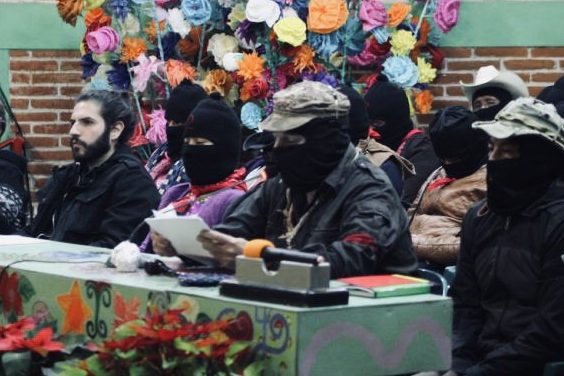
Redeeming Genetics: Víctor B. Penchaszadeh on Science and Justice Fifty Years After Argentina’s Military Coup
Alejo Stark interviews Argentine geneticist, bioethicist, and activist Dr. Penchaszadeh for Science for the People magazine.

La energía oscura y el fin de la historia
Acerca de las encrucijadas entre la ciencia y la lucha de clases a comienzos del siglo XXI. Por Alejo Stark para Razón y Revolución.

From the factory to the warehouse
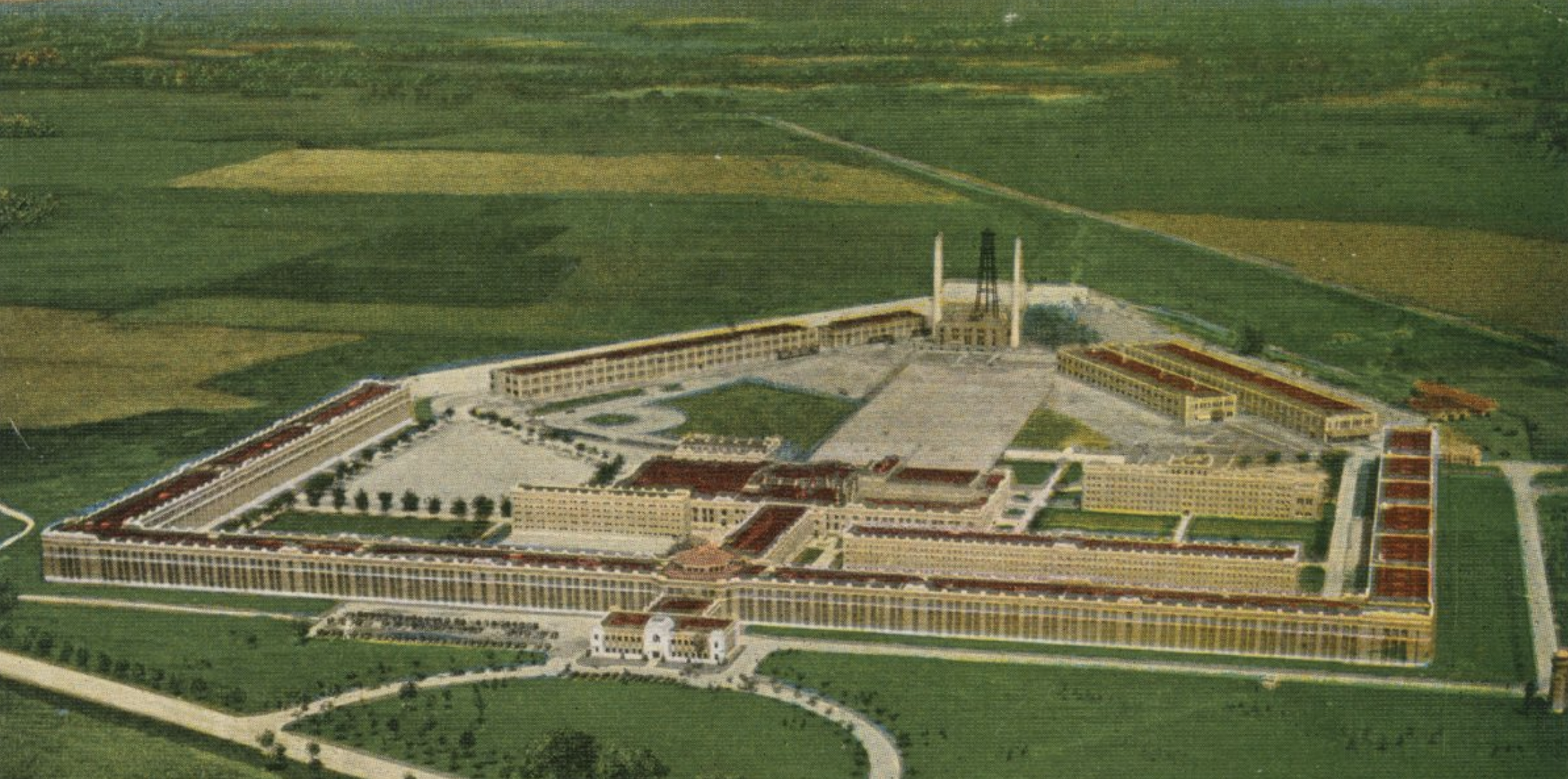
A brief history of prison labor in Michigan
By Dan Nemser, Alejo Stark, and Duncan Tarr for The Brooklyn Rail.
Like a Game of Chess: The Prison Strike and Abolitionist Strategy
By Alejo Stark for Abolition Journal.

Interview with UMich’s CARL
Organizers Christopher Rogers, Alejo Stark, and Jake Nussbaum discuss campus organizing, the Cops off Campus Coalition, and imagining a future in which strong communities render policing obsolete.
Survival Pending Abolition (RAR)
Alejo Stark and a Maria speak with longtime abolitionists, thinkers, writers, and militants Amanda Alexander (Detroit Justice Center), Kim Wilson (Beyond Prisons) and Ruthie Wilson Gilmore about abolitionist struggle during the COVID-19 pandemic.
Tasting Abolition (RAR)
What’s in a name? Abolition, as a name, belongs to no one. Which is not to say that it belongs to everyone. Abolition inherits many names and so many other struggles. It is in itself a terrain of struggle. A terrain which, in the past few months, has become a tumultuous battlefield — perhaps ever more so than just months ago when we spoke of “survival pending abolition.”